
BLOG
How Fast Does a Surron Light Bee Go? (2026 Complete Speed Guide)
If you’re considering buying a Surron Light Bee — or you already own one and want to know how hard you can push it — the top speed question is one of the first things you’ll ask. And it’s a fair one. The electric dirt bike market is full of inflated claims, and the difference between a manufacturer’s spec sheet and what you actually feel on the trail can be significant.
In this guide, we break down the Surron Light Bee top speed in plain terms: stock figures, real-world GPS-verified data, what affects speed on the trail, and exactly what upgrades will push your Light Bee beyond its factory limits. Whether you’re a first-time rider or a seasoned e-moto enthusiast, this is the only speed guide you’ll need.
1. What Is the Surron Light Bee?
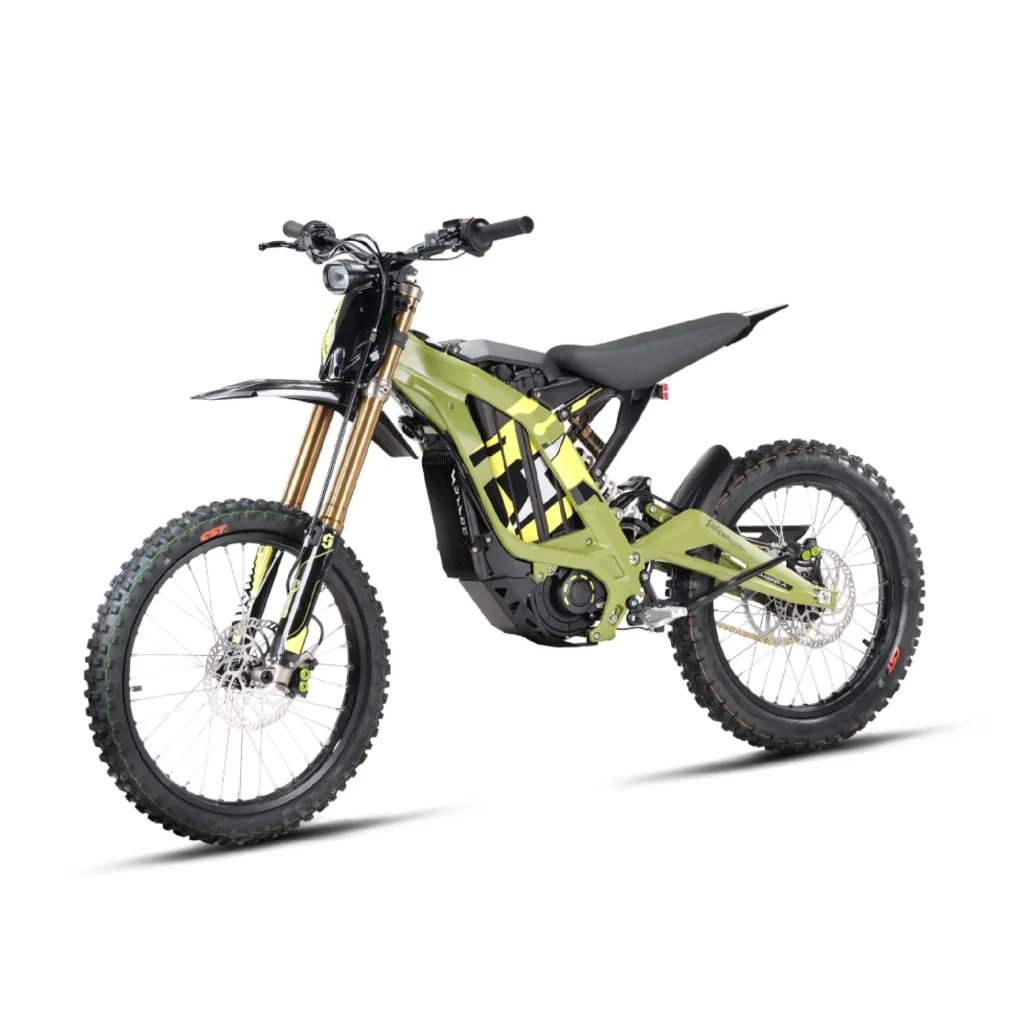
The Surron Light Bee — officially called the Light Bee X (or LBX) — is an electric off-road motorcycle built by Surron, a Chinese manufacturer that has been making electric dirt bikes since 2014. It sits in a category all its own: too powerful to be an e-mountain bike, too lightweight to be a proper motocross machine, and too fun to ignore.
It weighs just 57 kg (about 125 lbs) with the battery included, which is significantly lighter than any comparable petrol-powered dirt bike. That light weight, combined with the instant torque of its electric motor, is what makes the Light Bee feel so explosive off the line — even if its top speed looks modest on paper.
The 2025 model brought a meaningful upgrade over previous years, increasing peak motor output from 6 kW to 8 kW. That’s roughly 10.7 horsepower — not huge in isolation, but in a 57 kg package, it produces a power-to-weight ratio that makes the bike genuinely exciting to ride. The 2026 model continues with the same core platform, with refinements to the suspension and braking system.
Now, let’s get to the number everyone wants to know.
2. Stock Top Speed: What the Numbers Say
Surron Light Bee officially rates the 2025 Light Bee X at a top speed of 75 km/h, which converts to approximately 46.6 mph. In real-world testing reviewed by publications like GritShift Media, the 2025 model consistently achieved around 49 mph under controlled conditions.
It is worth noting that earlier Light Bee models (pre-2025) were rated at around 45 mph with the older 6 kW motor. The bump to 8 kW in 2025 unlocked an additional 2–4 mph at the top end, which matters more than it sounds when you factor in the difference in feel at trail speeds.
3. Real-World Speed: What Riders Actually Experience
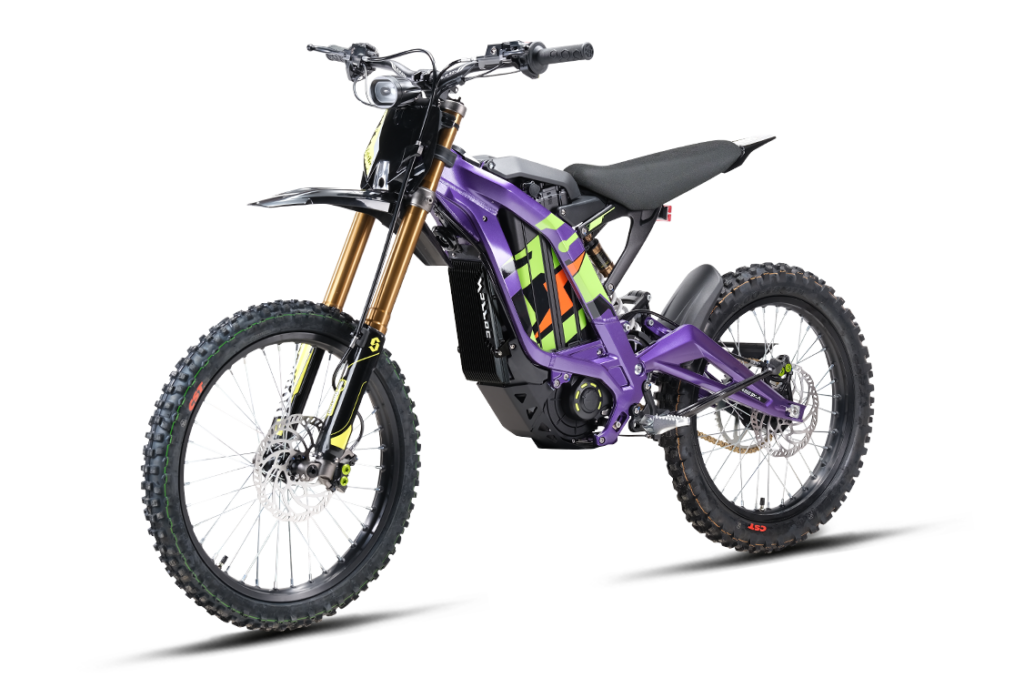
Numbers on a spec sheet tell one story. What the bike actually feels like at speed on a trail tells another. Here is what the Surron community consistently reports:
- Flat tarmac, sport mode: 45–49 mph GPS-confirmed. Some heavier riders (200+ lbs) report a slight reduction to around 43–44 mph.
- Flat dirt trail, sport mode: 38–44 mph is typical. The undulating surface and traction demands slow things down from the theoretical maximum.
- Uphill, sport mode: Speed drops significantly on steep climbs, but the torque — rated at 196.2 ft-lbs at the wheel — keeps it climbing at angles up to 45 degrees.
- Eco mode: Speed is typically limited to around 22–28 mph, with power delivery softened for smoother, range-conscious riding.
The Surron Light Bee’s electric motor delivers all its torque from the moment you open the throttle. This makes the first 0–30 mph feel absolutely electric (pun intended). The acceleration from a standstill is far more dramatic than the top speed figure suggests riders used to gas dirt bikes describe it as “like a light switch,” particularly in sport mode.
4. Full Speed & Performance Specifications
| Motor Type | PMSM (Permanent Magnet Synchronous) with FOC Sinewave Controller |
| Peak Motor Power | 8 kW (~10.7 hp) |
| Max Wheel Torque | 196.2 ft-lbs (266 Nm) |
| Motor Max RPM | 4,500–5,400 rpm |
| Battery | 60V / 40Ah lithium-ion (removable) |
| Range (WMTC standard) | 46.6 miles at 24.9 mph |
| Range (real-world) | 20–46 miles depending on mode & terrain |
| Charging Time | 2 hours (20% to 80%) |
| Weight (with battery) | 57 kg (125 lbs) |
| Climbing Angle | 45 degrees |
| Ride Modes | Eco, Sport, Custom |
| Brakes | 4-piston hydraulic disc, front & rear (sintered pads) |
| Suspension (front) | Inverted coil spring hydraulic fork, 7.8″ travel |
| Suspension (rear) | Multi-link TR rear, 8.3″ wheel travel |
| Price (2025/26 US) | ~$4,500 |
5. What Affects the Surron Light Bee’s Speed?
If you’re wondering why your Surron Light Bee doesn’t hit the top figure from Surron’s spec sheet, several variables come into play:
Rider Weight
At 57 kg, the Surron Light Bee is light enough that rider weight becomes a meaningful variable. A 150 lb rider will experience noticeably faster acceleration and a slightly higher top speed than a 220 lb rider. The motor is pulling the same watts either way the heavier load simply demands more of it to overcome inertia and rolling resistance.
Terrain & Surface
Tarmac gives the most consistent results. Gravel, dirt, sand, and technical terrain all reduce real-world top speed because the tyres cannot maintain optimal grip and the rider instinctively modulates the throttle. The Light Bee is built for off-road performance; in that context, its torque and handling matter far more than raw top speed.
Battery Charge Level
Like most electric vehicles, the Light Bee can experience a slight power reduction as the battery drops below approximately 20–25% charge. At full charge in sport mode, you get maximum available power. Below 20%, the controller begins to protect the battery cells by slightly limiting output.
Temperature
Cold weather reduces lithium-ion battery efficiency. In temperatures below 5°C (41°F), you may find the bike slightly less responsive until the battery warms up through use. In very hot conditions, the motor management system may reduce power slightly to prevent overheating on sustained climbs.
Tyre Pressure
Often overlooked, tyre pressure affects rolling resistance directly. Running the correct pressure (typically 15–20 PSI for off-road use) keeps the tyres rolling efficiently. Underinflated tyres waste power and reduce top speed; overinflated tyres reduce traction.
Sprocket Ratio
The stock sprocket setup on the Surron Light Bee X is optimised for a balance of acceleration and top speed. Fitting a smaller rear sprocket raises the gearing increasing top speed but reducing torque. A larger rear sprocket does the opposite: more torque for hill climbing and acceleration, lower top speed. This is one of the easiest and cheapest ways to tune your Light Bee for specific riding styles.
6. Eco vs Sport Mode: How Much Speed Do You Lose?
The 2025 Surron Light Bee X ships with three selectable ride modes:
Eco Mode
Power output is reduced significantly. Top speed is limited to approximately 22–28 mph. This mode exists to extend range in Eco, you can extract close to the maximum 46-mile range figure from the battery. It is ideal for younger riders, beginners, or situations where you need to make the battery last through a long day on the trail.
Sport Mode
Full power is unlocked. This is where the 8 kW motor operates at its peak, and where the 46–49 mph top speed and 2.7-second 0–31 mph figure are achieved. Sport mode is the reason people buy the Light Bee. The power delivery is immediate and progressive, and the Surron Light Bee bike feels genuinely fast in a way that the top speed number alone does not capture.
Custom Mode
Via the companion app or controller settings, riders can dial in a custom power curve — specifying how aggressively power ramps up from zero and where the top speed limit sits. This is particularly useful for setting up the bike for younger or less experienced riders who need something between full Eco restriction and unrestricted Sport.
7. How to Make a Surron Light Bee Go Faster
The Surron Light Bee X is one of the most mod-friendly electric dirt bikes on the market. A large aftermarket community has developed around it, and the upgrade pathway is well-documented. Here are the most effective options for increasing top speed:
1. Controller Upgrade (Best Value Upgrade)
The stock controller limits power delivery to protect the drivetrain and battery. Aftermarket controllers — particularly the Torp TC500 — allow significantly higher current flow, unlocking more speed and torque from the same motor. With a quality controller upgrade, riders report top speeds pushing 55–65 mph, depending on the rest of the setup. This is widely considered the single most cost-effective speed upgrade on the Light Bee.
2. Battery Voltage Upgrade (60V to 72V)
The stock Surron Light Bee X runs a 60V system. Switching to a 72V battery pack increases the voltage supplied to the motor, which directly translates to higher top speed (since motor RPM is proportional to voltage). A 72V conversion can push top speed to 55–60 mph on a stock motor. This upgrade requires a compatible controller and motor to handle the higher voltage safely.
3. Motor Upgrade
For riders who want maximum performance, aftermarket motor options are available that produce significantly higher output than the factory 8 kW unit. Paired with a higher-voltage battery and upgraded controller, a motor upgrade can transform the Light Bee from a fun trail bike into a genuinely fast machine capable of 65–70 mph. Note that at these power levels, brake and suspension upgrades become essential for safety.
4. Rear Sprocket Swap
This is the simplest and cheapest speed modification. Fitting a smaller rear sprocket raises the final drive ratio, trading acceleration for top speed. It requires no electrical changes and is fully reversible. The trade-off is a noticeable reduction in low-end torque — hill climbing will feel less aggressive. For riders who mostly ride flat or smooth terrain, this is a sensible quick win.
8. Surron Light Bee Speed vs Competitors
How does the Light Bee X compare to its main rivals in the 2026 electric dirt bike market?
| Talaria Sting MX4 | 45–50 mph | ~3.0 sec | ~$4,200 |
| Surron Ultra Bee (2025) | 55–60 mph | ~2.5 sec | ~$7,500 |
| Stark Varg | 60+ mph | ~2.0 sec | ~$11,900 |
| Zero XE (2026) | 60+ mph | ~2.5 sec | ~$9,000 |
The Surron Light Bee is not the fastest electric dirt bike you can buy in 2026. But at $4,500, it offers by far the best performance-per-dollar ratio in its class. The Talaria Sting is its closest competitor — it matches the Light Bee on speed and undercuts it slightly on price, but the Light Bee has a significantly larger aftermarket ecosystem, which matters enormously for long-term ownership and upgradeability.
If top speed is your absolute priority and budget allows, the Surron Ultra Bee is the natural step up within the Surron family, offering 55–60 mph stock and a more substantial power plant.
9. Speed Safety: What You Need to Know
A bike that accelerates from 0 to 31 mph in 2.7 seconds and reaches nearly 50 mph in a package weighing just 57 kg demands respect. Here is what responsible Surron Light Bee owners should keep in mind at speed:
- Always wear a helmet. At trail speeds of 30–45 mph, a certified full-face helmet is non-negotiable. MX-rated helmets are the standard in the e-moto world.
- Add knee and elbow protection. Lightweight, low-profile protection is widely available and should be worn on every ride, regardless of speed or terrain.
- Know your brakes. The 2025 Surron Light Bee X ships with 4-piston hydraulic disc brakes with sintered pads. These are significantly better than earlier models. Still, practice threshold braking in a controlled environment before riding at high speed on technical terrain.
- Scout new trails before riding fast. Hidden obstacles, ruts, and drops that are manageable at low speed become dangerous at 40+ mph. Walk or ride slowly through unfamiliar sections before opening the throttle.
- Upgrade brakes before upgrading speed. If you are pursuing upgrades that push the bike beyond 55 mph, upgrading your brake pads, rotors, and fluid should happen first, not after.
10. Is the Surron Light Bee Street Legal at That Speed?
This is one of the most common follow-up questions to the speed discussion, and the answer depends heavily on where you live.
Out of the factory, the Surron Light Bee X is designed and sold as an off-road-only vehicle. It does not come with indicators, mirrors, horn, or road-legal lights in most markets. At 46–49 mph, it is faster than the 30 mph speed limit that many jurisdictions apply to electrically-assisted vehicles — meaning even where e-bikes or mopeds are street-legal, the Light Bee may not qualify without a full motorcycle registration process.
In the United States, some states allow the Surron Light Bee to be registered as a moped or motorcycle with certain modifications (indicators, mirrors, horn, DOT-compliant tyres). Services specialising in e-moto title paperwork, such as Dirt Legal, have helped many US riders achieve road registration. Rules vary by state, so research your local laws carefully before riding on public roads.
YOU CAN DIRECTLY PLACE AN ORDER DIRECTLY BY CLICKING THIS LINK
